







By Boluwatife Oshadiya | March 27, 2026
Key Points
- Power sector reforms draw over $2 billion in new investments
- Electricity market revenue rises 70% in 2024
- Government liabilities reduced by approximately ₦700 billion
Main Story
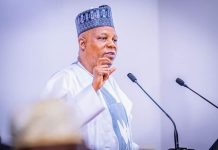
Nigeria’s power sector has attracted more than $2 billion in fresh investments following ongoing reforms, Minister of Power Adebayo Adelabu said during the commissioning of the headquarters of Nigeria Electricity Liability Management Company in Abuja.
Adelabu stated that sector-wide reforms implemented under the current administration have significantly improved financial performance, with electricity market revenue rising by 70% in 2024. Government liabilities have also declined by about ₦700 billion due to improved cost recovery and operational efficiency.
The minister attributed the progress to structural reforms anchored on the Electricity Act 2023, which decentralised the electricity market and enabled sub-national participation. This has led to the emergence of 16 state-level electricity markets, fostering competition and private sector involvement.
Generation capacity has also improved, increasing from 13 gigawatts to 14 gigawatts, with a recorded peak generation of 5,801.44 megawatts—one of the highest in recent years.
Adelabu noted that metering challenges are being addressed through the Presidential Metering Initiative, backed by ₦700 billion from the Federal Account Allocation Committee and an additional $500 million facility from the World Bank.
He further disclosed that Nigeria successfully synchronised its national grid with other ECOWAS countries in a four-hour uninterrupted test run, signalling readiness for regional electricity trade.
NELMCO’s intervention was highlighted as critical, with inherited liabilities reduced from ₦2.303 trillion to ₦146.76 billion, alongside savings exceeding ₦700 billion for the federal government.
What’s Being Said
“The transformation is beginning to yield tangible results across the electricity value chain,” Adelabu said, noting that reforms are repositioning the sector for sustainability and efficiency.
“The Electricity Act has opened the door for state participation and accelerated innovation within the sector,” he added.
An independent energy analyst told BizWatch Nigeria: “While the numbers are encouraging, the real test will be sustained power supply improvements and cost-reflective tariffs.”
What’s Next
- Implementation of the National Integrated Electricity Policy to guide sector coordination
- Rollout of millions of electricity meters under the Presidential Metering Initiative
- Expansion of regional electricity trade under ECOWAS grid integration efforts
The Bottom Line:
Nigeria’s power sector reforms are beginning to deliver measurable financial and structural gains, but long-term success will depend on translating investment inflows into consistent electricity supply and market stability.