







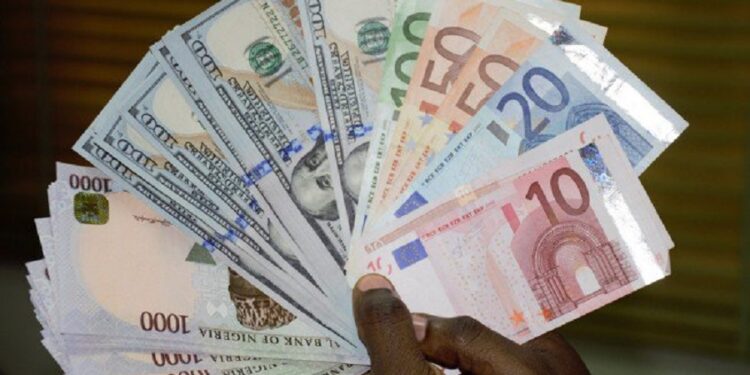
Nigeria’s foreign exchange market began trading for the first full business week of 2026 with the British Pound Sterling holding firm against the Naira, as sharp differences persist between the official exchange window and the parallel market. Early trading on Monday, January 5, indicates continued pressure on the local currency amid renewed demand for foreign exchange. This rate is brough top you by Bizwatch Nigeria.
Official Exchange Rate at NFEM
Data from the Nigerian Foreign Exchange Market (NFEM) shows that the Pound opened trading at an average rate of ₦1,936.43. The official market, which captures transactions conducted by banks, corporates, and regulated financial institutions, reflects cautious but steady trading activity as liquidity gradually returns after the holiday period.
Intraday movement within the NFEM revealed modest fluctuations, with the Pound exchanging as low as ₦1,927.43 and reaching highs of ₦1,937.56 during early market hours. Analysts interpret this range-bound movement as an indication of sustained demand for Sterling-linked obligations, including imports, tuition payments, and international services.
Parallel Market Trading
In contrast, the parallel foreign exchange market continues to price the Pound significantly higher. Currency dealers operating across major trading centres, including Lagos’ Broad Street and Abuja’s Wuse Zone 4, are purchasing Pounds at approximately ₦2,150, while selling rates currently range between ₦2,210 and ₦2,235, depending on transaction size and location.
The persistent premium in the informal market underscores ongoing constraints faced by individuals and small businesses seeking foreign currency outside the official banking system.
Drivers Behind Current Exchange Levels
Several macroeconomic and seasonal factors are shaping the Pound–Naira exchange rate at the start of the year:
- Post-holiday business resumption: The return of full-scale commercial activity following the New Year has driven fresh demand for foreign exchange, particularly from corporates settling offshore commitments.
- Oil sector outlook: Market sentiment continues to be influenced by expectations surrounding Nigeria’s crude oil output and export earnings in the first quarter of 2026.
- Domestic inflation: Elevated inflationary pressures remain a structural challenge, weakening the Naira’s value against major international currencies such as the Pound.
As trading continues through the week, attention remains focused on potential policy signals or liquidity interventions from the Central Bank of Nigeria, which could impact pricing dynamics across both the official and parallel markets.