






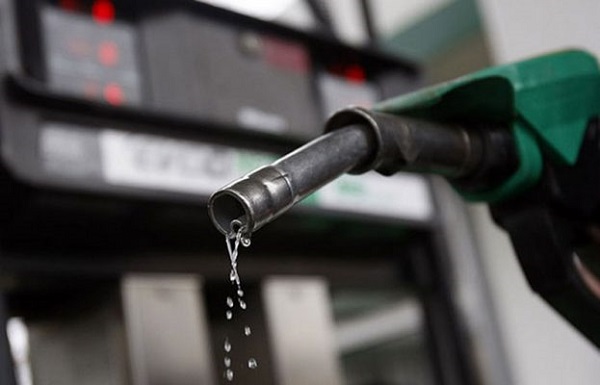
In a new wave of fuel price adjustments, the Nigerian National Petroleum Company Limited (NNPC Ltd) and major downstream players have raised pump prices of Premium Motor Spirit (PMS), commonly referred to as petrol, with consumers in Abuja now paying as much as ₦945 per litre at NNPC stations.
Across Lagos, pump prices were similarly reviewed upward, with NNPC outlets selling PMS for ₦915 per litre — marking increases of ₦35 in Abuja and ₦45 in Lagos from the prior rates of ₦910 and ₦870, respectively.
Independent oil marketers have also joined the price hike, pushing rates to as high as ₦955 per litre in parts of Abuja, representing a jump of ₦60 from the earlier ₦895. In Lagos, independent filling stations are now dispensing petrol between ₦915 and ₦950 per litre, depending on location and operator.
In other South-Western states like Ogun, retail prices hovered between ₦915 and ₦950. Notably, stations linked with Dangote’s partners — including MRS, AP, and Heyden — were seen retailing at ₦925 per litre in Lagos and ₦935 in Ogun.
NNPC outlets also reflected the new pricing structure, despite claims from station managers that the current stock was procured before the price hike. According to multiple sources, filling stations are adjusting their prices preemptively amid fears of further volatility.
The revision comes on the heels of Dangote Petroleum Refinery’s recent increase in its ex-depot price of PMS, moving it from ₦825 to ₦880 per litre. This shift triggered an industry-wide ripple effect, culminating in revised pump prices across various channels.
In Abuja’s Kubwa area, the NNPC retail station at the Federal Housing junction displayed the new ₦945 per litre rate prominently, while another NNPC mega station on Obasanjo Way also reflected the revised pricing.
Lagos residents also reported new prices at several stations. In Igando and along the Badagry Expressway, NNPC-branded stations reflected the ₦915 rate. Meanwhile, MRS, one of Dangote Refinery’s distribution allies, raised pump prices to ₦925 per litre, up from the previous ₦875.
Other retail marketers were not left out. TotalEnergies now dispenses PMS at ₦910 per litre, while independent retailers like Oluwafemi Arowolo Petroleum in Iba have adjusted prices to ₦920.
There are growing indications that prices may climb even higher in the coming weeks. Supply hubs in Lagos — including Pinnacle, NIPCO, and Wosbab — have revised their ex-depot prices to between ₦920 and ₦925 per litre, citing a sharp uptick in upstream supply chain costs and international crude oil volatility.
Industry data from petroleumprice.ng revealed that Dangote Depot recently concluded sales at ₦905 per litre. Meanwhile, NIPCO Lagos saw the steepest increase with a ₦25 spike, translating to a 2.72% rise — the highest among surveyed depots.
Other depots such as Fynefield, TSL, and Ever posted depot rates as high as ₦940/litre, while WOSBAB, Rainoil, and First Fortune have attempted to hold prices steady at ₦920.
With deregulated market dynamics and ongoing instability, these recurring increases are raising inflationary concerns, especially for commuters and small businesses who now face higher operational costs and dwindling profit margins.
Globally, tensions between the United States and Iran have added a layer of uncertainty to oil markets. An alleged joint airstrike by U.S. and Israeli forces on Iranian nuclear facilities over the weekend has sent shockwaves across international energy markets.
In retaliation, Iran reportedly launched six missiles targeting U.S. military installations in Qatar and Iraq. The missile strikes caused loud explosions in Doha, prompting Qatar’s government to confirm the assault on the U.S.-operated Al Udeid base, calling it a “flagrant violation of sovereignty.”
Oil prices initially surged on the news, with expectations of supply chain disruptions pushing Brent crude to its highest level since January. However, prices later retreated, with Brent futures falling to $71.66 per barrel and West Texas Intermediate (WTI) dropping to $68.32.
Commenting on the ongoing market turbulence, Olatide Jeremiah, Chief Executive Officer of PetroleumPrice.ng, noted that “marketers are now engaging in speculative pricing due to heightened tension at the depots.”
He continued, “Depot-level price increases have become detached from crude oil price movements. While global crude prices have only risen by around 3%, depot fuel prices have jumped more than 10%. Eventually, these hikes will cascade down to the retail pumps.”
As Nigerians grapple with the growing cost of living, many are bracing for more adjustments in the price of petrol — a core driver of economic activity and household spending.




 and major downstream players...)