







KEY POINTS
- PENGASSAN calls for the withdrawal and review of Executive Order EO9 on oil revenue remittance.
- Union warns policy could threaten jobs and operational stability at NNPC.
- Stakeholders advocate amendment of existing petroleum law through legislative process.
MAIN STORY
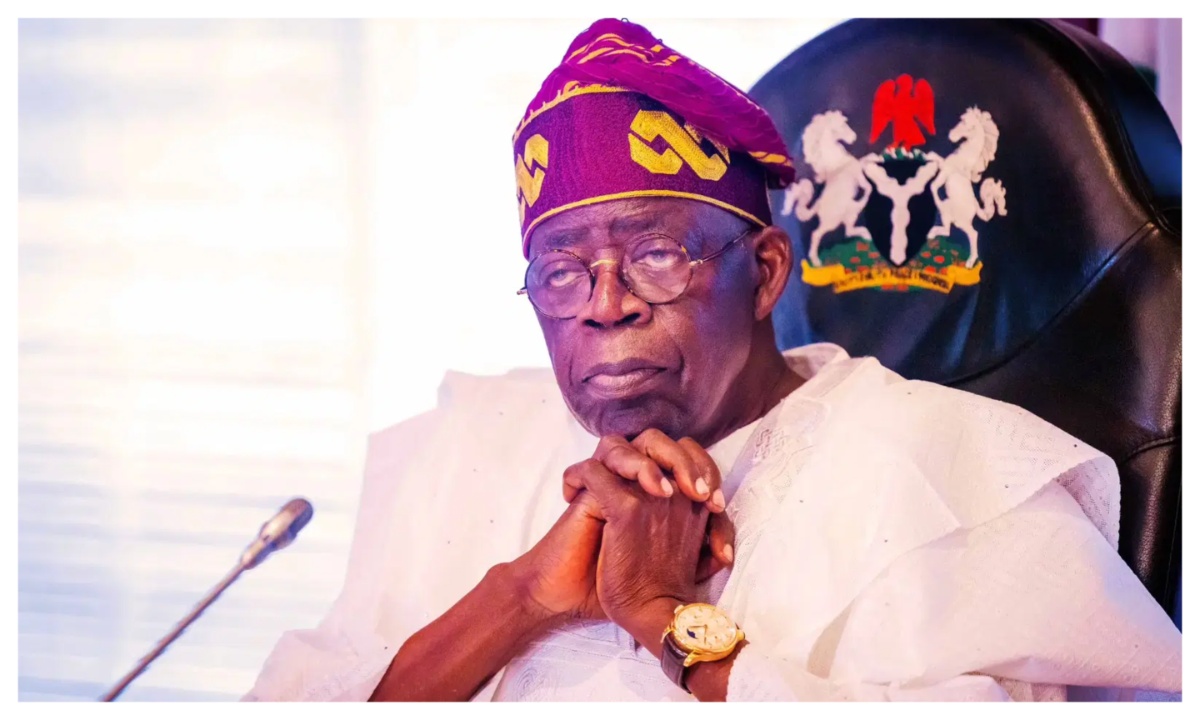
The Petroleum and Natural Gas Senior Staff Association of Nigeria (PENGASSAN) has urged President Bola Tinubu to reconsider the recently issued Executive Order EO9 on the remittance of oil and gas revenues to the Federation Account.
PENGASSAN President, Festus Osifo, made the call during an interview on Arise Television, where he advised the Federal Government to withdraw the directive and initiate a broader review involving key stakeholders.
The Executive Order, signed by Tinubu, aims to safeguard oil and gas revenues, curb wasteful spending, eliminate duplicative structures in the sector, and redirect funds for national development.
THE ISSUES
Labour leaders argue that while the policy seeks to improve transparency and revenue management, it may have unintended consequences, including reduced operational funds for the national oil company and potential workforce risks.
WHAT’S BEING SAID
Osifo said reforms in the sector should focus on reviewing existing legislation rather than imposing executive directives.
According to him, the appropriate step would be to revisit the Petroleum Industry Act (PIA), identify its strengths and weaknesses, and pursue amendments through the National Assembly with stakeholder input.
He also expressed concern that the proposed deduction of two per cent from the revenue of the Nigerian National Petroleum Company Limited (NNPC Ltd.) could affect staff welfare and operational sustainability.
“When revenue dries up in an organisation, the first casualty is the workforce,” he said, warning that employees of the national oil firm could be adversely impacted.
WHAT’S NEXT
PENGASSAN has called for the establishment of a technical review committee to assess the implications of the Executive Order and recommend necessary legislative adjustments.
The union also urged continued stakeholder engagement to ensure reforms strengthen the oil and gas sector without undermining operational stability.
BOTTOM LINE
The union’s position highlights growing tension between revenue reform efforts and labour concerns, signalling that achieving consensus will require legislative review, stakeholder dialogue, and careful balancing of fiscal and workforce interests.





 has urged President Bola Tinubu to reconsider ...)