








….SPPG Alumnus Warns of Quiet Fiscal Power Shift from Tax Reform
Nigeria is losing an estimated $18 billion annually to profit-shifting, aggressive tax avoidance, and other illicit financial practices by multinational corporations operating within its borders, the Minister of State for Finance, Dr Doris Uzoka-Anite, revealed on Tuesday.
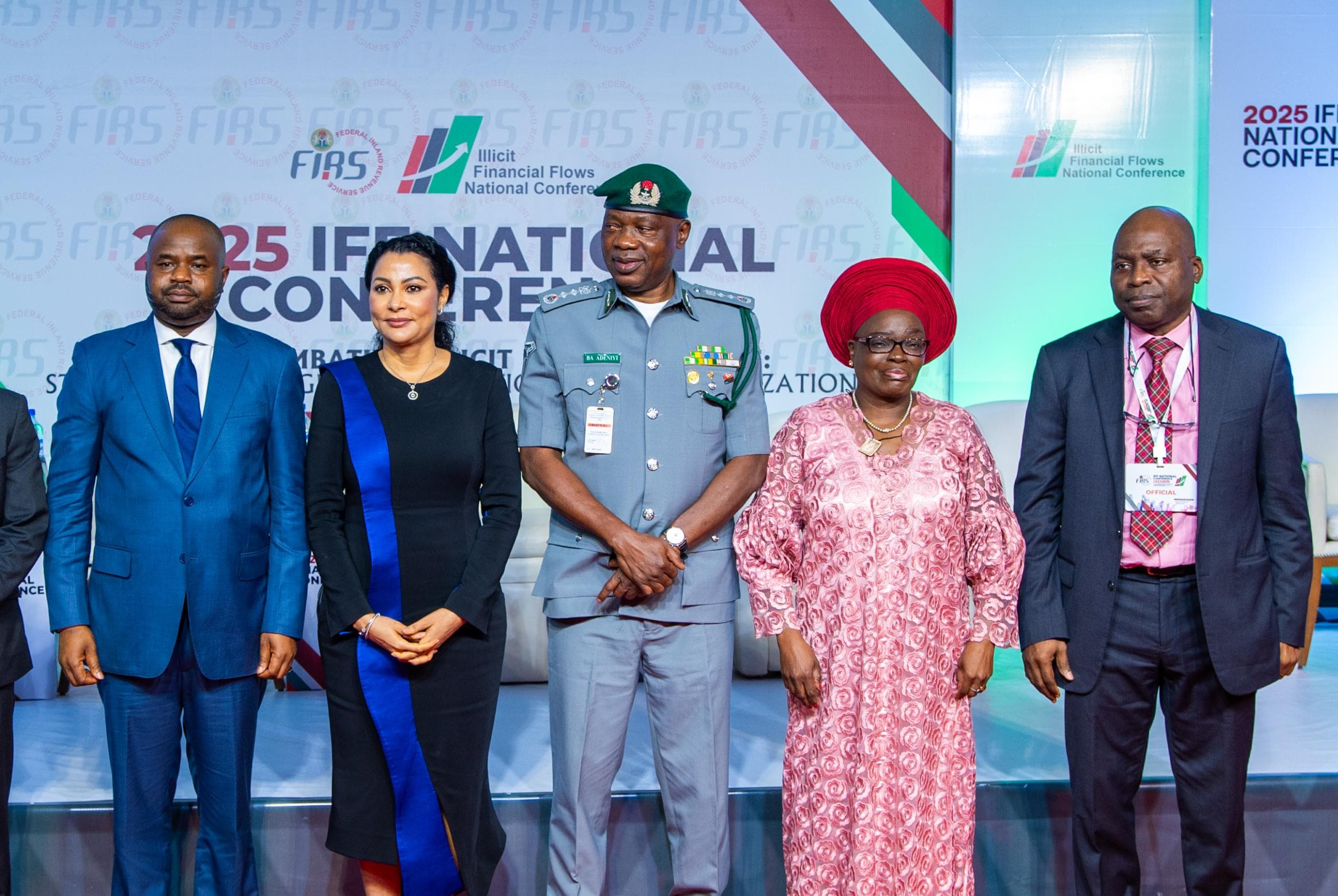
Speaking at the National Conference on Illicit Financial Flows in Abuja, Dr Uzoka-Anite described the growing scale of financial outflows as a “hydra-headed monster” that not only undermines national revenue but also fuels illicit activities, including terrorism financing.
“It is estimated that Nigeria loses about $18 billion every year due to profit shifting and aggressive tax avoidance, particularly by multinational corporations. These funds, instead of supporting critical sectors such as health, education, and infrastructure, are illegally funnelled out of the country,” the minister said.
She emphasised that the Federal Government, under the leadership of President Bola Tinubu, is intensifying its efforts to tackle the scourge of illicit financial flows and implement strategic fiscal reforms that will reduce dependency on oil revenues and foreign aid.
“We are transitioning towards a more resilient and self-reliant economy—one driven by revenue generation rather than borrowing or grants. Diversifying our revenue base is no longer optional; it’s a necessity,” she added.
The Tinubu administration’s reform agenda, she noted, is shifting the economic focus from volatile oil earnings to more stable non-oil revenue sources, especially taxation.
Also addressing the gathering, Executive Chairman of the Federal Inland Revenue Service (FIRS), Dr Zacch Adedeji, echoed the minister’s concerns, warning that illicit financial flows pose a significant threat to Nigeria’s fiscal health.
“Multinationals continue to exploit global tax arrangements to shift profits away from Nigeria, undermining our ability to generate adequate revenue. FIRS is responding by simplifying the tax system and encouraging voluntary compliance through taxpayer education,” Adedeji said
Meanwhile, Dr Samson Abanni, an alumnus of the School of Politics, Policy and Governance (SPPG), offered a deeper political analysis of Nigeria’s recent tax legislation. Speaking to The Guardian, Abanni described the newly signed tax reforms as a transformative development—one he believes could have long-term implications as far-reaching as a general election.
“This tax reform is akin to heart surgery on the nation’s economy,” he said. “It quietly shifts fiscal power dynamics between the Federal Government, the states, and established revenue-generating agencies.”
“Because it didn’t come cloaked in the drama of traditional politics, many governors underestimated its impact. It’s only now becoming clear how deeply this reform will reshape their fiscal autonomy,” he said.
Experts say Nigeria’s battle against illicit financial flows requires more than just policy enforcement—it demands global cooperation, strong institutions, and political will. As multinationals continue to operate across multiple jurisdictions, tax transparency and accountability will remain central to reclaiming the billions lost annually.
For Nigeria, the challenge is as much about curbing economic sabotage as it is about funding a sustainable future.