








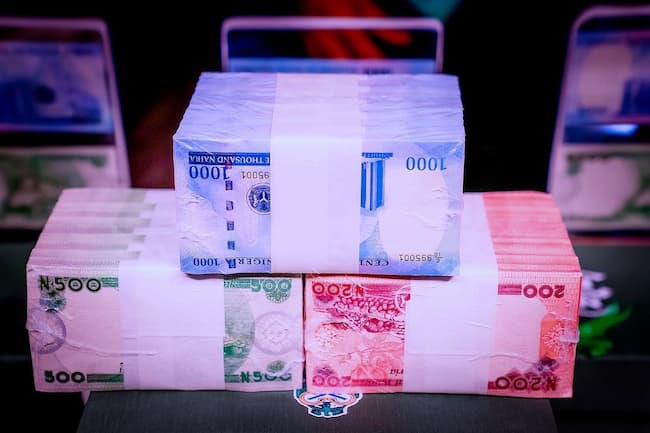
The Nigerian naira appreciated against the US dollar at the official exchange window after the Central Bank of Nigeria (CBN) stepped in with fresh FX supply to ease liquidity constraints.
Spot FX data indicated that the naira strengthened to ₦1,518.88 per dollar, reflecting improved dollar availability following last week’s intervention. The CBN had injected $50 million into the official market to meet increasing FX demand from corporates.
Coronation Merchant Bank noted that weekly FX inflows dropped drastically to $749.8 million—down from $1.76 billion in the previous week—signaling a 57% decline that initially weighed on market sentiment.
Despite this, Nigeria’s external reserves climbed to $37.432 billion, a significant turnaround from previous declines, signaling stronger buffers to manage market volatility. The apex bank has reportedly defended the local currency with $4.75 billion in FX sales to authorized dealers in H1 2025 alone.
Analysts believe these interventions are helping align rates between the official and parallel markets, minimizing volatility and maintaining investor confidence.
Oil Market Snapshot
Crude oil prices rebounded during the week as geopolitical tensions in the Middle East spurred concerns about supply disruptions. Brent crude settled at $70.36 per barrel, a 3.02% gain from $68.30 the previous week. Year-to-date losses narrowed to 5.73%, down from 8.49%.
Bonny Light, Nigeria’s benchmark grade, also saw an uptick, closing at $72.81 per barrel—up 1.38%. The grade retained a premium over Brent at $2.45 per barrel, albeit slightly lower than the previous $3.52.
Analysts attribute the rebound to escalating regional tensions, particularly drone strikes around oil facilities in the Red Sea, and expectations of stricter US sanctions on Russian crude exports.
The U.S. Energy Information Administration (EIA) also reported a greater-than-expected draw in domestic crude inventories, further boosting prices. Meanwhile, optimism about potential stimulus measures in China contributed to improved demand sentiment.
Still, the outlook remains cautious. Market observers expect price volatility to persist amid a balancing act between geopolitical risks and economic headwinds. OPEC+ policy directions and global demand uncertainty will remain crucial drivers in the coming weeks.




 stepped in...)