


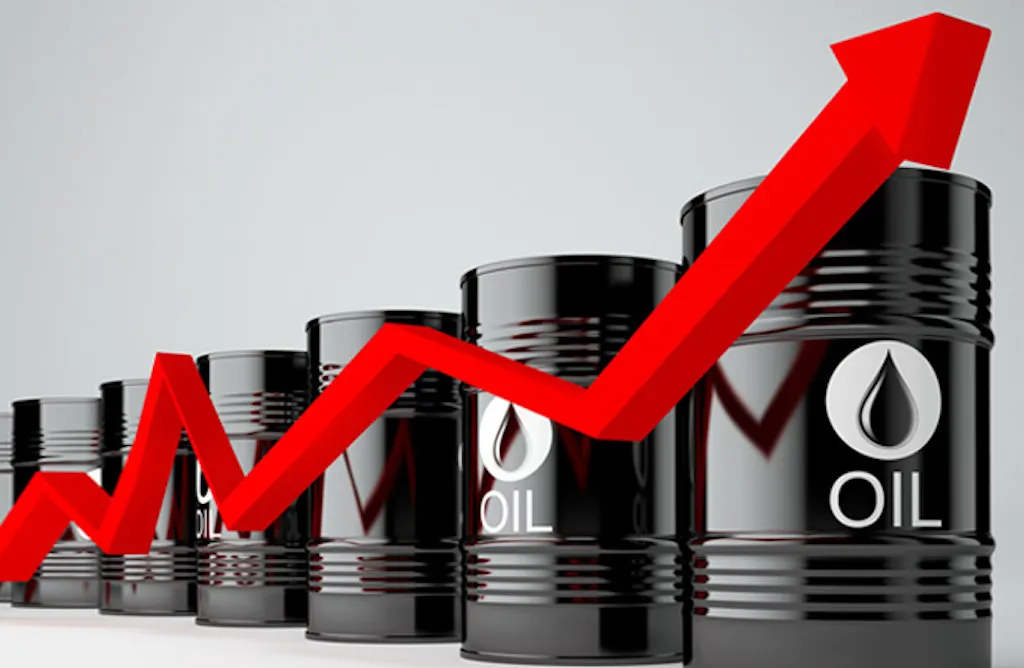
Oil prices climbed in global trading on Wednesday, supported by signs of stronger demand in the United States and optimism surrounding diplomatic efforts to end the Russia-Ukraine conflict.
Brent crude futures rose 0.48% to $65.92 per barrel from $65.60, while U.S. benchmark West Texas Intermediate (WTI) advanced 0.51% to $62.27, compared with $61.95 in the previous session.
Data from the American Petroleum Institute (API) revealed a 2.4 million-barrel drawdown in U.S. crude stockpiles last week, significantly exceeding expectations of a 1.2 million-barrel decline. Investors are awaiting confirmation when the U.S. Energy Information Administration (EIA) publishes official figures later in the day.
Geopolitical dynamics also played a role in the upward momentum. European Council President Antonio Costa reaffirmed ongoing cooperation with the United States to provide security guarantees for Ukraine, following a virtual meeting with EU leaders. He emphasized the bloc’s commitment to supporting Kyiv while pursuing peace efforts, including prisoner exchanges and the return of displaced children.
U.S. President Donald Trump also held talks with Ukrainian President Volodymyr Zelenskyy and European leaders at the White House earlier in the week. Discussions reportedly included preparations for a potential summit involving Russian President Vladimir Putin, Zelenskyy, and Trump.
Meanwhile, Washington’s newly announced 25% tariff on Indian goods in response to New Delhi’s purchase of Russian crude has added another layer of geopolitical tension, raising questions about trade negotiations between the two countries.
Market watchers believe India will continue importing Russian oil as long as the cost advantage remains, while ongoing U.S.-India talks could shape oil price direction in the coming weeks.
Investors are also keeping an eye on monetary policy signals, as Federal Reserve Chair Jerome Powell is expected to deliver a key address at the Jackson Hole Economic Policy Symposium on August 22, which could provide further clarity on interest rate cuts and global demand outlooK