






Global oil prices fell on Tuesday as easing tensions in the Middle East and renewed concerns over trade frictions between the United States and China weighed on market sentiment.
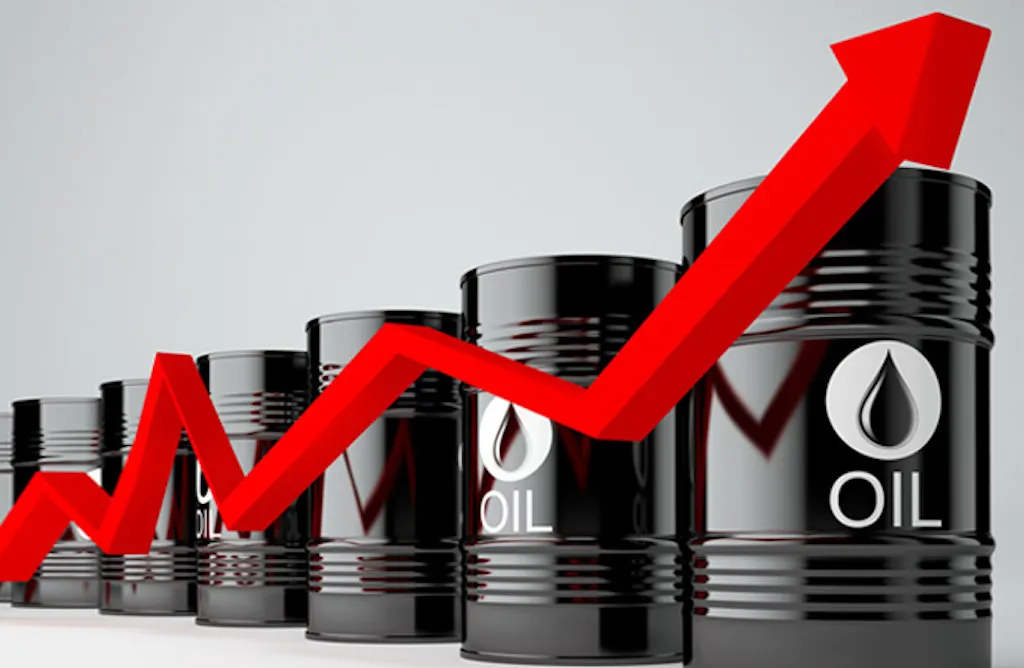
Brent crude futures declined by 0.7%, trading at $62.68 per barrel compared to Monday’s close of $63.18, while West Texas Intermediate (WTI) crude dropped 0.8% to $58.70 from $59.21.
The downturn came after U.S. President Donald Trump threatened to impose steeper tariffs on Chinese imports in retaliation for Beijing’s export restrictions on rare earth materials. The proposed 100% tariff, set to take effect on November 1, would double existing duties.
Although Trump later downplayed trade concerns—stating that there was “nothing to worry about” and expressing confidence in a resolution—investor caution persisted. U.S. Vice President JD Vance added that Washington remains open to dialogue if China “acts reasonably,” though he cautioned that the U.S. still holds “many more cards to play.”
Despite the more diplomatic tone, uncertainty surrounding trade talks between the two largest economies continues to cloud global demand forecasts.
Adding further pressure, geopolitical risks in the Middle East have eased. Monday’s Sharm el-Sheikh Peace Summit in Egypt, attended by key regional and global leaders, focused on reinforcing the Gaza ceasefire and fostering stability across the region.
Meanwhile, the Organization of the Petroleum Exporting Countries (OPEC) held steady its projections for global oil demand growth in both 2025 and 2026, citing consistent consumption patterns in its latest oil market report.
Traders now await the International Energy Agency’s (IEA) upcoming market report, expected later Tuesday, which could provide fresh insight into global supply-demand balances amid persistent volatility.