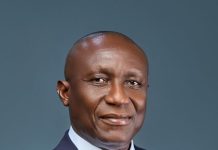





Senate Committee Chairman on Steel Development, Patrick Ndubueze, has revealed that the non-operational Ajaokuta Steel Company has at times accumulated over ₦2 billion in electricity debts despite producing nothing.
Speaking at the maiden National Steel Summit in Abuja themed “Rebuilding and Consolidating Nigeria’s Steel Industry: Collaborative Action for Sustainable Growth and Global Competitiveness,” Ndubueze recalled a visit to the facility, lamenting its wasted potential to manufacture items such as brake parts, ball bearings, seals, and engine blocks. He described its current power capacity of ₦500,000 as unacceptable for a plant built with trillions of naira, calling for corporate governance reforms and an operational review.
He urged industry stakeholders to make the summit a turning point in Nigeria’s steel development, pledging Senate support to work with the executive and private sector to create a vibrant and competitive industry.
Minister of Steel Development Shuaibu Audu noted that while Nigeria has abundant raw materials like iron ore, limestone, and coal, it lacks functioning integrated steel plants. He traced the sector’s history from the 1958 push for rolling mills to later emphasis on integrated plants, and lamented that privatised facilities in Oshogbo, Katsina, Jos, Delta, and the Aluminum Smelter Company remain idle.
Despite decades of setbacks, Audu said the Tinubu administration is ready to confront the industry’s challenges. He emphasised steel’s central role in industrialisation, powering sectors from construction to defence, and highlighted its potential to create jobs, spur growth, and diversify the economy.
The summit aims to assess the sector’s current state, explore investments, close policy and infrastructure gaps, and strengthen collaboration between policymakers and industry players toward a sustainable and globally competitive steel sector.