









KEY POINTS
- Nigeria Customs launches automated licence and permits processing system.
- Reform aims to cut business costs, reduce paperwork, and improve transparency.
- Stakeholders express concerns over payment integration and technical reliability.
MAIN STORY
The Nigeria Customs Service (NCS) has called on freight forwarders to adopt its newly automated Licence and Permits Processing system, designed to simplify procedures and reduce the cost of doing business.
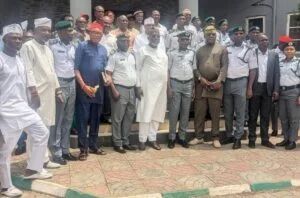
The Assistant Comptroller-General of Customs, Muhammed Babadede, appealed for a stakeholders’ engagement on automation held in Lagos on Monday.
Babadede said the initiative followed longstanding demands from industry operators for faster, more transparent, and efficient processing systems.
He disclosed that the Comptroller-General of Customs, Bashir Adeniyi, had approved full automation of licence and permit processes across the Service.
According to him, the system will enable stakeholders to submit applications and renew licences remotely through computers or mobile devices, eliminating the need for physical visits to Customs offices.
THE ISSUES
Manual processing of licences and permits has long been associated with delays, administrative bottlenecks, high operational costs, and opportunities for documentation errors and fraud within the maritime and trade sectors.
WHAT’S BEING SAID
Babadede said automation would improve transparency, record-keeping, and supervision while ensuring fairness and consistency in processing.
Comptroller of the Licence and Permit Unit, Dr. Ngozika Anozie, noted that the reform aligns Customs procedures with global best practices and supports institutional efficiency.
She added that the initiative reflects the reform agenda of the Chairman of the World Customs Organization, Adeniyi, centred on consolidation, collaboration, and innovation.
Anozie said the digital platform would automatically detect and reject fraudulent documentation while accepting genuine submissions, helping to curb malpractice.
The Customs Area Controller, Tincan Island Command, Comptroller Frank Onyeka, also urged stakeholders to fully embrace the system to ensure seamless operations.
WHAT’S NEXT
The automated portal is expected to become fully operational after nationwide sensitisation campaigns, with stakeholders receiving adequate guidance before implementation.
Meanwhile, participants at the engagement raised concerns regarding online payment integration and possible technical disruptions, which Customs officials said would be addressed before rollout.
BOTTOM LINE
The Customs automation initiative marks a significant step toward modernising trade facilitation in Nigeria, with the potential to reduce costs, improve efficiency, and strengthen transparency in licence and permit processing.





 has called on freight forwarders to adopt its newly automated Licence and Permits Processing ...)