










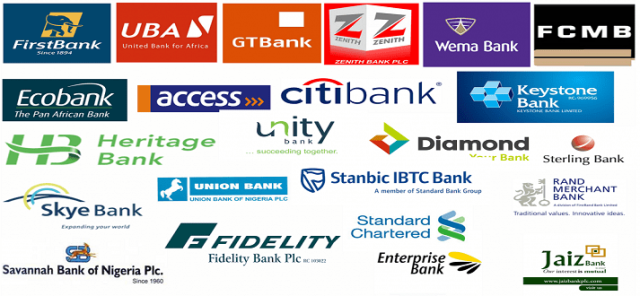
The Association of Corporate Communication and Marketing Professionals in Banks (ACAMB) has reaffirmed that banks in Nigeria are stable and robust, dismissing rumors of any closures linked to the ongoing recapitalization process circulating on social platforms.
This confirmation came via a collective announcement on Sunday from the group’s President, Mr. Rasheed Bolarinwa, and General Secretary, ‘Jide Sipe. The declaration addressed a video on Instagram alleging that the Central Bank of Nigeria (CBN) plans to close 12 financial institutions by March 2026.
ACAMB described the clip as an attempt to deceive audiences, incite unwarranted alarm, and capitalize on sensational falsehoods for individual benefit while promoting products.
“The individual behind the content showed a clear misunderstanding of bank recapitalization, offering multiple inaccurate and refutable statements that anyone familiar with Nigeria’s banking landscape could easily debunk.
“As the CBN has outlined multiple times, this recapitalization drive is a forward-thinking, preventive measure to fortify the financial framework and enable it to contribute to the government’s goal of achieving a $1 trillion economy by 2030.
“It is not a reaction to any emergency, nor does it signal weakness. Instead, it represents a national effort to enhance banks’ capabilities for fostering economic progress and advancement,” the group emphasized.
ACAMB clarified that, unlike the misleading assertions, Nigeria’s banking institutions are presently secure, reliable, and sufficiently funded, boasting solid capital reserves to fulfill client needs and comply with oversight standards. The group noted that the recapitalization focuses on bolstering primary ownership funds—specifically paid-up capital and additional paid-in capital—rather than encompassing all equity or alternative funding like debt securities and preferred stock.
“The CBN has repeatedly stressed that the process targets expansion and steadiness, not mandatory mergers.
“Every bank has an equitable and achievable opportunity to achieve its recapitalization objectives, with over a third already compliant and the majority progressing well.
“All institutions provided their recapitalization strategies to the CBN in 2024, which underwent review and endorsement for practicality prior to rollout.
“In its latest evaluation, the CBN openly voiced approval of the advancements and confirmed that banks are advancing toward the set timelines,” ACAMB stated.
The announcement maintained that the disinformation lacks foundation and seems motivated by malice, lack of knowledge, and indifference to the financial repercussions of untrue stories. ACAMB indicated it would alert pertinent enforcement bodies to the video and comparable materials, especially when they involve deceitful claims, attempts to undermine the economy, and breaches of cybercrime laws.
It added that although speech freedoms are protected, they entail duties for veracity, precision, and equity. The group provided details on particular allegations against named banks.
It elaborated, “FirstBank, United Bank for Africa (UBA), Fidelity Bank, and FCMB operate as international entities that have advanced substantially in their recapitalization initiatives and are poised to finalize them before deadlines.
“They surpass the capital levels required for domestic banks and encounter no threat of insufficient funding.
“Citibank Nigeria and Standard Chartered Bank Nigeria continue as sturdy affiliates of their international parent companies, while Sterling Bank has finished critical stages of its recapitalization, such as private offerings and rights issuances.
“Polaris Bank and other referenced organizations also possess defined recapitalization routes and stay functionally solid, without signs of monetary strain.”
ACAMB referenced the CBN Governor, Mr. Olayemi Cardoso, who during his November update affirmed that the recapitalization is “advancing systematically and aligning with oversight anticipations.”
The group pointed out that Nigeria presently hosts 44 deposit-accepting banks in diverse categories, all under rigorous regulatory supervision. Per the association, the people of Nigeria stand to gain most from a durable and properly governed banking network, and citizens are encouraged to proceed with their financial dealings assuredly and calmly.
ACAMB further advised digital creators and news outlets to avoid pursuing viral appeal, fads, or exaggeration concerning established financial entities.
“Truthful, accountable journalism is encouraged and safeguarded; nevertheless, intentional falsehoods or fear-mongering tales about the banking industry will be escalated to proper officials to protect economic integrity and community confidence,” it concluded.








 has reaffirmed that banks in Nigeria are stable and robust, dismissing rumors of any closures linked to the ongoing recapitalization process circulating on social platforms.)