








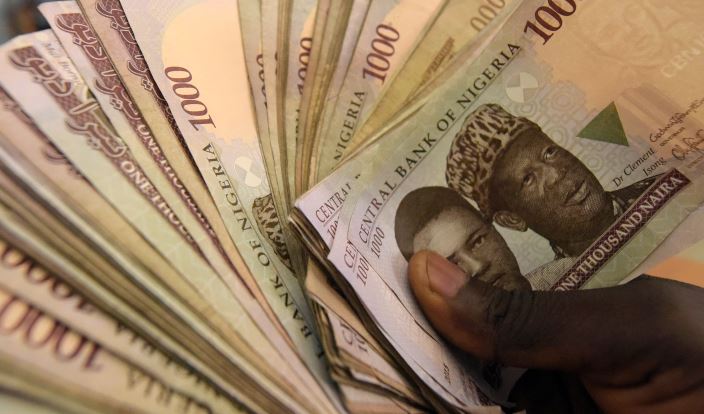
The naira traded on mixed signals across Nigeria’s foreign exchange market on Tuesday as year-end import demand pushed up international payments. While the local currency remained stable at ₦1,451.82 per dollar in the official window, it strengthened to ₦1,476 in the parallel market, narrowing the gap between official and unofficial rates to ₦25.
The Central Bank of Nigeria (CBN) attributed stability in the official segment to its active intervention, while limited offshore dollar flows tempered demand in the informal market. Analysts noted that this divergence reflects growing coordination between official support and market forces.

Nigeria’s gross external reserves continued an upward trend, reaching $45.472 billion, despite pressure from global commodity markets. Oil prices fell by over 2% early Tuesday, with Brent crude dipping below $60 per barrel for the first time since May, as hopes of a peace deal in Ukraine raised expectations for eased sanctions on Russian oil.
The potential increase in global oil supply from Russia, coupled with declining seaborne exports to key buyers like India, is being closely monitored by markets, influencing both commodity and foreign exchange dynamics in Nigeria.