

Keypoints
- The Nigerian equities market recorded a N15.53 trillion gain over 14 consecutive trading sessions ending April 24, 2026.
- Market capitalization surged from N129.81 trillion to N145.33 trillion, driven by institutional demand and pension fund liquidity.
- Significant milestones included Seplat Energy crossing N10,000 per share and Nigerian Breweries exceeding a N1 trillion market cap.
- Top gainers included Aradel Plc, Lafarge Africa, National Salt Company, Stanbic IBTC, and UAC of Nigeria.
- Experts link the rally to a September 2025 PenCom policy that increased equity investment limits for Retirement Savings Accounts (RSAs).
Main Story
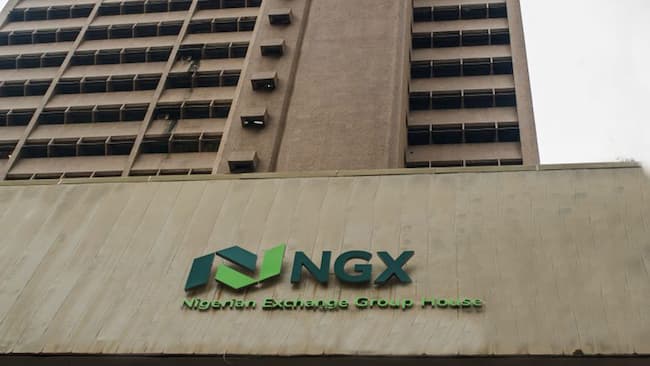
The Nigerian Exchange (NGX) is witnessing a historic rally that has added over N15.5 trillion to investor portfolios in just under three weeks.
Between April 7 and April 24, 2026, the market moved from a capitalisation of N129.81 trillion to a new peak of N145.33 trillion.
This 14-session winning streak was fueled by a combination of domestic policy shifts and a renewed appetite from foreign portfolio investors for Nigerian blue-chip stocks like Dangote Cement and Zenith Bank.
A major catalyst for this liquidity surge was the National Pension Commission’s (PenCom) decision in late 2025 to raise the ceiling on equity investments for pension funds.
This move forced a massive reallocation of capital from fixed-income instruments into the stock market.
With the naira showing relative stability and corporate earnings remaining robust especially in the banking and oil sectors, investors have found equities to be the most attractive asset class for inflation-adjusted returns in 2026.
The Issues
The primary challenge is the sustainability-valuation gap; while institutional liquidity is driving prices up, analysts like Ambrose Omordion warn that not all stocks in the rally are backed by solid fundamentals. Authorities must solve the problem of market-correction risks, as the rapid gains may trigger large-scale profit-taking by short-term speculators, potentially leading to a sharp downturn. Furthermore, there is an interest-rate risk; if the central bank adjusts rates to combat any lingering inflation, capital may quickly flow back out of equities into fixed-income bonds. To succeed, the exchange must ensure that the rally transitions from a liquidity-driven surge to one sustained by long-term corporate growth and continued macroeconomic stability.
What’s Being Said
- The policy shift has made equities more attractive relative to other asset classes, stated Malam Garba Kurfi, MD of APT Securities.
- Ambrose Omordion cautioned that while momentum is strong, investors should adopt a medium- to long-term outlook because “not all stocks reflected solid fundamentals.”
What’s Next
- Market analysts are expected to closely monitor the Q1 2026 earnings reports to see if corporate profits justify the current high share prices.
- Pension Fund Administrators (PFAs) are anticipated to continue their rebalancing acts, potentially providing further support for blue-chip stocks through May.
- The NGX may see a series of “profit-taking” sessions where investors sell off gains, leading to temporary price volatility in the coming weeks.
- Foreign investors are likely to keep a close eye on the Central Bank’s next policy meeting to gauge the future direction of interest rates and naira stability.
Bottom Line
The N15.5 trillion gain represents a vote of confidence in the Nigerian economy’s current direction, heavily bolstered by pension fund reforms. However, for this bullish run to become a permanent feature of 2026, the underlying companies must continue to deliver the strong earnings that institutional investors are currently betting on.







%20is%20witnessing%20a%20historic%20rally%20that%20has%20added%20over%20N15.5%20trillion%20to%20investor%20portfolios%20...)